











Long-term Hire versus Outright Purchase
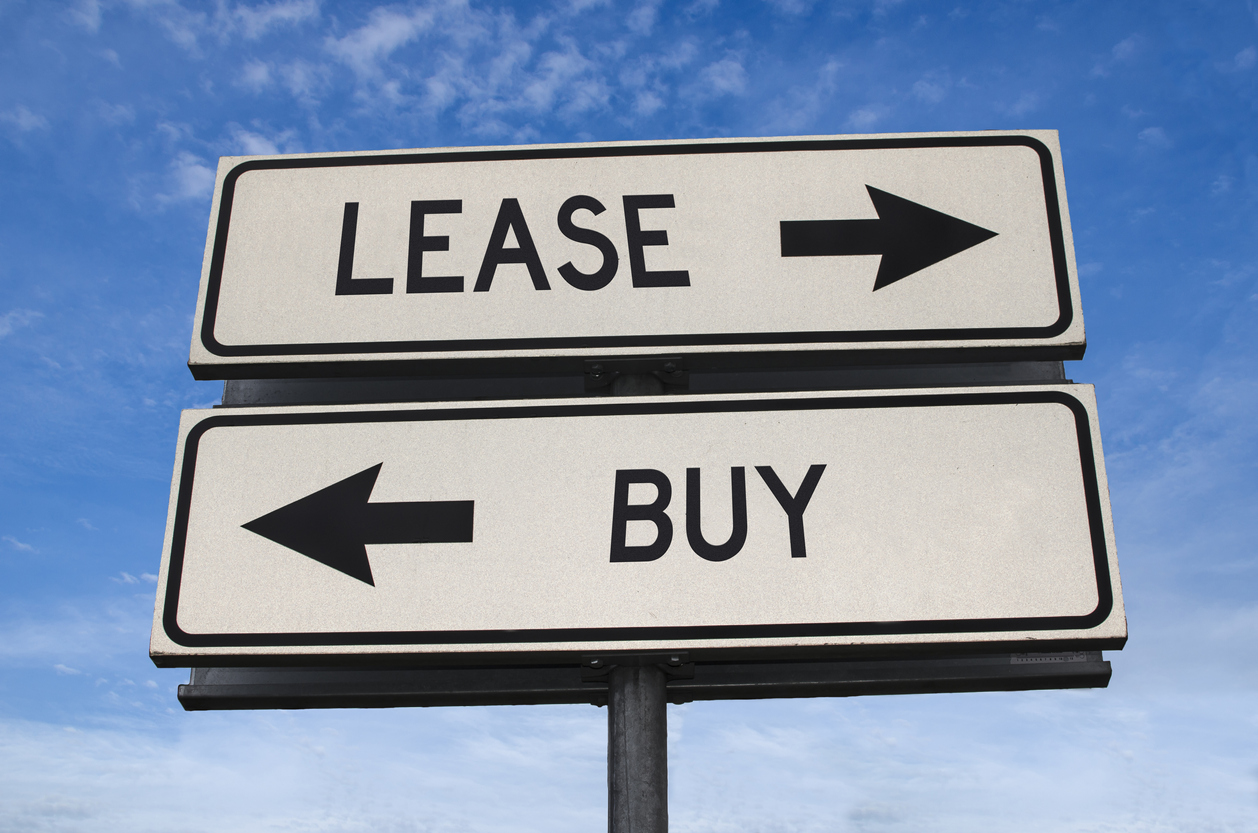
The choice between long-term hiring (leasing/renting) and purchasing commercial vehicles depends entirely on a business's financial situation, operational needs, and long-term goals. Long-term hire offers flexibility and lower upfront costs, while purchasing provides asset ownership and greater control.
Long-Term Hire (Leasing/Renting)
Long-term hire (also known as contract hire or operating lease) involves renting a commercial vehicle for an extended period, often one to five years, without intending to own the asset.
Advantages:
- Lower Upfront Costs: Requires minimal initial capital outlay, freeing up cash flow for other business investments.
- Predictable Expenses: A fixed monthly payment often bundles maintenance, servicing, registration, and insurance, simplifying budgeting and avoiding unexpected repair bills.
- Access to New Vehicles: Businesses can regularly upgrade to newer models with the latest technology, safety features, and fuel efficiency every few years.
- Reduced Administrative Burden: The hire company manages all the administrative tasks associated with fleet management, such as maintenance schedules and insurance claims.
- Flexibility and Scalability: It is easier to scale the fleet up or down based on changing business needs or seasonal demands without being locked into long-term ownership commitments.
- No Depreciation Risk: The business avoids the financial loss from vehicle depreciation, as the hire company bears that risk.
- Tax Benefits: Rental fees are often 100% tax-deductible operating expenses (consult a tax professional for specific advice).
Disadvantages:
- No Asset Ownership: The business does not build equity in the vehicle and must return it at the end of the term.
- Restrictions: Lease agreements often include mileage limits and may prohibit vehicle modifications, with penalties for exceeding limits or excessive wear and tear.
- Potentially Higher Long-Term Cost: Over many years, the cumulative cost of ongoing hiring may exceed the total cost of purchasing and running a vehicle.
- Contractual Obligations: You are locked into payments for the full lease period, even if the vehicle is no longer needed.
Purchasing Commercial Vehicles
Purchasing involves a significant upfront investment, either with cash or a loan, with the goal of owning the vehicle as a long-term business asset.
Advantages:
- Full Control and Flexibility: The owner has complete control over the vehicle, including modifications, maintenance schedules, and usage (e.g., unlimited mileage).
- Asset Ownership and Equity: The vehicle is a tangible asset on the company's balance sheet, which builds equity over time and can be used as security for future financing.
- Long-Term Cost-Effectiveness: For businesses that keep vehicles for many years, purchasing can be more cost-effective in the long run once the loan is paid off and monthly payments cease.
- Potential Resale Value: The business can recoup some of the initial investment by selling the vehicle (though it will have depreciated).
- Tax Deductions: Businesses can claim deductions for depreciation and loan interest expenses.
Disadvantages:
- High Upfront Costs: Requires a substantial initial investment or down payment, which ties up valuable capital.
- Depreciation Risk: The vehicle's value depreciates over time, and the owner bears this financial loss.
- Ongoing Maintenance Costs: The business is responsible for all maintenance, repairs, insurance, and registration, which can lead to unpredictable expenses.
- Operational Complexity: Requires in-house resources to manage the fleet, including maintenance oversight and downtime management.
Conclusion
Feature | Long-Term Hire (Leasing) | Purchase |
Upfront Cost | Lower | Higher |
Monthly Payments | Fixed, often all-inclusive | Loan payment (if financed) plus variable maintenance/repairs |
Ownership/Equity | No ownership or equity built | Owns the asset and builds equity |
Maintenance | Usually included in the contract | Business's responsibility |
Flexibility | High (easy to upgrade/scale) | Lower (selling is a process) |
Modifications | Generally not allowed | Allowed (if legal) |
Mileage Limits | Yes, penalties apply if exceeded | No limits |
Downtime | Often minimal with replacement options | Potential issue if repairs are extensive |
Ultimately, long-term hire suits businesses prioritising cash flow, flexibility, and predictable costs, while purchasing is ideal for companies with strong finances that require full control, plan to keep vehicles long-term, and want to build assets. Businesses should consult with financial experts to align the decision with their specific operational requirements and financial strategy.
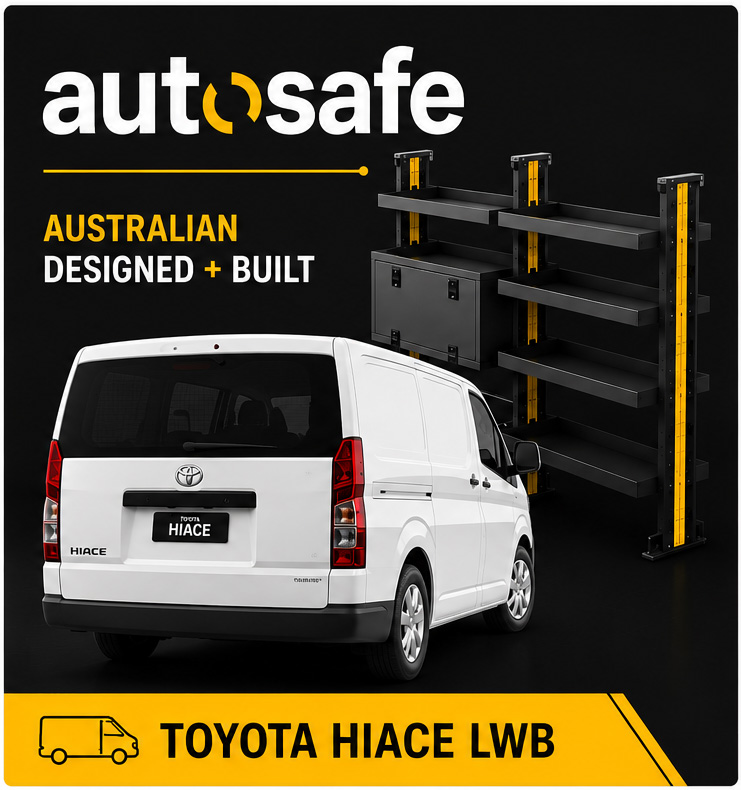
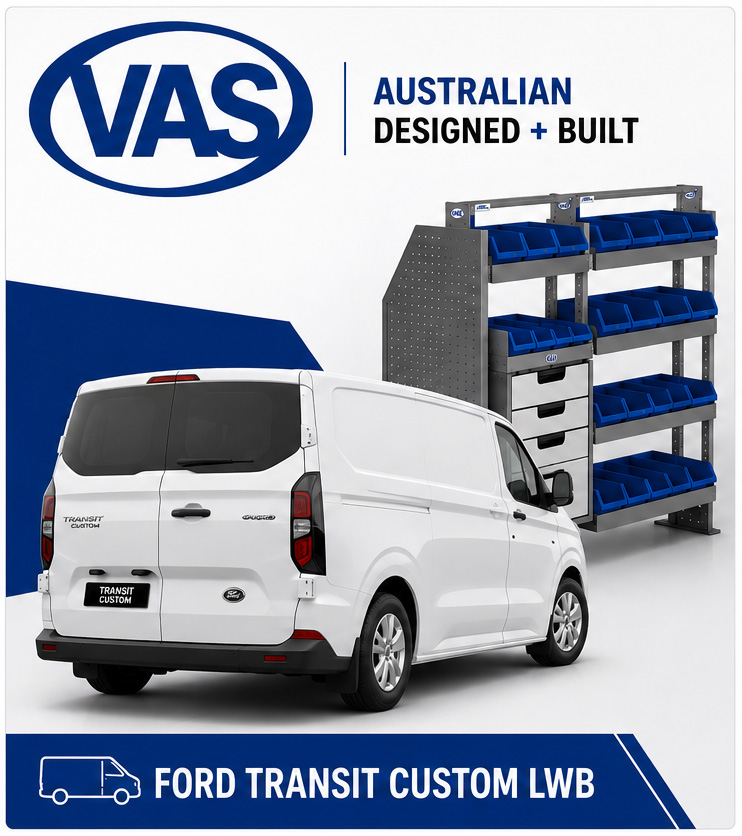
Ask your long-term hire company about getting a trade-spec fit-out that works for you.

What’s bundled in a Fully Maintained Operating Lease?
A Fully Maintained Operating Lease includes your vehicle finance and budgeted estimated running costs in one fixed repayment.
- Scheduled servicing & maintenance
- Replacement tyres
- 24/7 roadside & breakdown assistance
- Annual registration
- Fuel cards & fuel management
- Infringement & toll management
- Reporting, invoice & FBT management
- Accident management & driver support
No posts found
Write a review- 0414 684 805
- steve@vehiclefitout.com.au
- 8 Tania Avenue,
- Windsor Gardens, SA 5087
- View on map
© 2004 - 2026 Vehicle Fitout. Copyright. All Rights Reserved.


