

















The Myth of Fleet Buyers Wanting the Cheapest Option — Busted
Because even during the break, it’s fun to see an old industry myth get demolished.
As the year winds down and everyone sneaks a quiet moment between barbeques, beach trips and inbox clean-ups, here’s a story that’ll make any Fleet Manager smile: the long-held belief that fleets only want the cheapest vehicles… is officially toast.
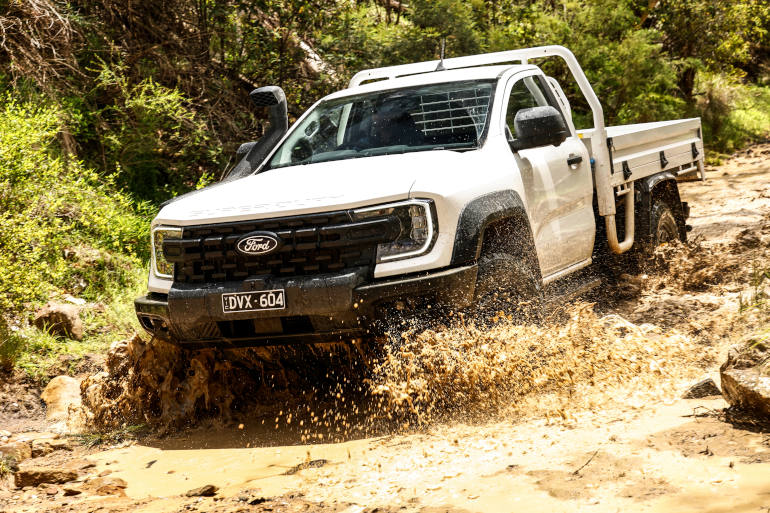
And who helped bust the myth? Ford. With the Ranger Super Duty. Using nothing more than honest conversations with the people who run these vehicles into the ground (in the nicest possible way).
So grab a cool drink, relax for five minutes, and enjoy this holiday read about why fleets are not bargain hunters — they’re uptime hunters.
Fleets Didn’t Ask for Cheap — They Asked for Safe
Ford engineers admitted something remarkable in the underbody walk-through. They originally thought fleets wouldn’t want the full driver-assist tech on the Super Duty’s rear bar. You know the mindset: “Fleet buyers don’t want the toys.”
Except… they absolutely did. Fleets told Ford that:
- sensors mean fewer reversing knocks,
- cameras reduce downtime,
- trailer assist prevents expensive mishaps.
Every one of those features is designed to save time, money, and headaches — which is far more valuable to a business than shaving a tiny bit off the purchase price. One engineer summed it up neatly: fewer accidents mean the vehicle “stays on the road working,” which is exactly what fleet teams want.
Suddenly the myth starts looking a little sunburnt.
Capability Over Cost: The Super Duty’s Underbody Proves It
If fleets only wanted the cheapest ute, Ford could’ve just painted the standard Ranger a different colour and called it a day.
Instead, they rebuilt… well… almost everything.
Only six percent of the original frame carries over. The rest? New reinforcements, new crossmembers, thicker beams, stronger mounting points — because fleet operators said durability is non-negotiable.
Ford didn’t stop there:
- The front hub? Borrowed from the F-250, because fleets need real clamping force.
- The rear axle? Completely redesigned from an already tough Transit unit.
- The engine mounts? Upgraded to handle seven times the load of a normal Ranger.
- The leaf springs? Made longer for better load spread and safer handling.
None of this screams “cheapest option.” All of it screams “give us something that won’t quit.”
The 130-Litre Fuel Tank: A Holiday Road-Trip Special… for Work Vehicles
This one’s perfect for the holidays, because it’s basically the fleet version of: “Let’s not stop unless we absolutely have to.”
Fleets told Ford they wanted more time on site and fewer trips back to base. So engineers squeezed in a 130-litre fuel tank, which required new crossmembers and some seriously clever packaging.
It was hard. It was expensive. And Ford did it anyway — because fleets value productivity more than pump prices.
Independent Front Diff Lock: For When Things Get… ‘Festive’ Off Road
Most 4×4 buyers would never think to ask for this one, but fleet operators working in mud, paddocks, quarries and river crossings absolutely did.
The Ranger Super Duty can lock the front diff independently, helping control the vehicle in awkward, low-speed extractions where you really don’t want the rear stepping out.
It’s niche. It’s nerdy. It’s very fleet.
Safety = Uptime = Money. And Fleets Know It.
This is the heart of the holiday fable. Fleet buyers aren’t chasing the cheapest vehicle — they’re chasing the smartest one. The one that reduces risk. The one that keeps staff safe. The one that doesn’t spend December 28 waiting for a tow truck.
Safety tech is uptime tech. Durability is cost control. Capability is efficiency.
Fleet Managers have known this for years — it’s the rest of the market that’s finally catching up.
A Myth Ruined. A Super Duty Born. A Fleet Industry Evolving.
So as you sit back and enjoy a quieter time of year, take comfort in knowing the industry has just crossed a small but meaningful milestone.
Fleet buyers don’t want cheap. They want good. And they’re willing to pay for engineering that makes business sense.
Ford listened, rebuilt the Ranger from the underside up, and delivered a ute shaped by the people who rely on it every day.
It’s a great reminder heading into the new year:
- When OEMs listen, fleets win.
- And sometimes, even long-held myths get a well-deserved holiday roasting.
Original article: Fleet Auto News
No posts found
Write a review- 0414 684 805
- steve@vehiclefitout.com.au
- 8 Tania Avenue,
- Windsor Gardens, SA 5087
- View on map
© 2004 - 2026 Vehicle Fitout. Copyright. All Rights Reserved.


